
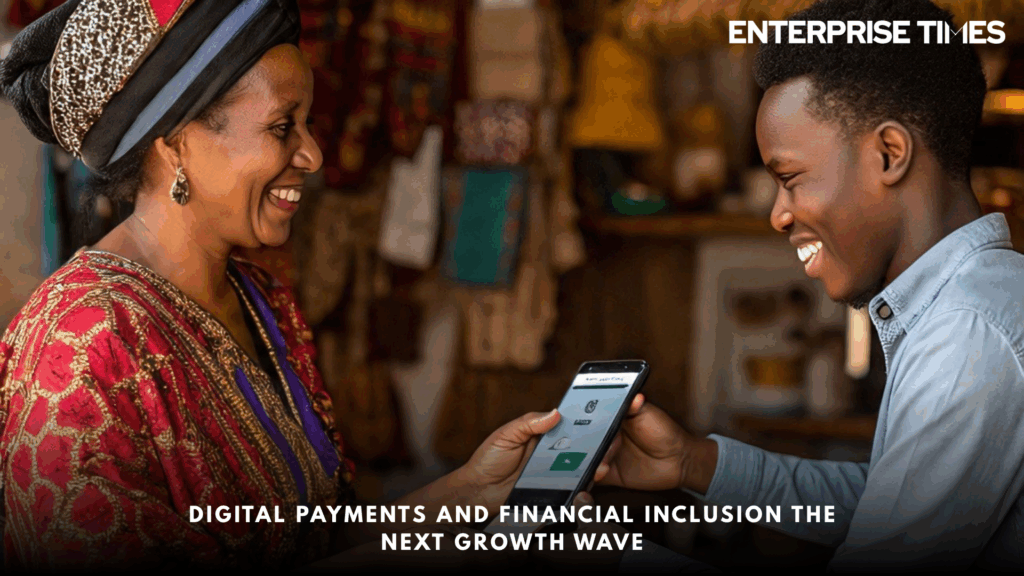
In the modern digital economy, the transformation of financial systems is reshaping how individuals and businesses interact with money. Among the most significant forces driving this evolution is the rise of digital payments, which has unlocked new pathways for financial inclusion across both emerging and developed markets. What was once a slow shift toward cashless economies has now accelerated into a global revolution bridging socioeconomic divides and redefining how the world transacts.
The Rise of Digital Payments: A Global Phenomenon
Digital payments are no longer just a convenience; they are a cornerstone of economic modernization. From mobile wallets and contactless cards to instant peer-to-peer (P2P) transfers and digital banking apps, the financial landscape has undergone an unprecedented transformation in just a decade.
The COVID-19 pandemic acted as a catalyst, pushing billions of consumers and merchants toward digital platforms. According to the World Bank, over 76% of adults worldwide now have access to a financial account, up from 51% in 2011 largely due to mobile and digital payment systems.
This dramatic shift has opened new economic opportunities, especially in regions that once lacked formal financial infrastructure. Digital payments have become the gateway to broader financial inclusion enabling individuals, small businesses, and rural communities to participate in the digital economy.
Financial Inclusion: From Vision to Reality
At its core, financial inclusion ensures that everyone, regardless of geography, income, or background, has access to affordable and secure financial services. Digital payment ecosystems have played a pivotal role in achieving this vision.
In developing economies, mobile-based platforms such as M-Pesa in Kenya and bKash in Bangladesh have demonstrated how digital innovation can empower unbanked populations. These solutions allow users to send, receive, and store money securely using nothing more than a mobile phone, even without traditional bank accounts.
For small and microenterprises, digital payments reduce dependency on cash, open access to credit, and build transaction histories that can be leveraged for loans or insurance. As a result, digital payments have become not only a tool for convenience but also a catalyst for financial empowerment and entrepreneurship.
The Role of Governments and Regulators
Governments and central banks across the globe are recognizing the transformative potential of digital payments in driving inclusive economic growth. Initiatives such as India’s Unified Payments Interface (UPI), Brazil’s PIX, and Nigeria’s eNaira are redefining public financial ecosystems.
These systems are designed for interoperability, real-time settlements, and accessibility — fostering innovation while ensuring security and regulatory compliance. Governments are also increasingly adopting digital ID systems, which simplify KYC (Know Your Customer) procedures and make it easier for individuals to access banking and payment services.
Meanwhile, central bank digital currencies (CBDCs) are emerging as the next frontier. These government-backed digital currencies could enhance transparency, reduce transaction costs, and extend formal financial access to millions.
The Technology Behind the Transformation
Behind every successful digital payment ecosystem lies a robust technological infrastructure. Cloud computing, APIs, artificial intelligence, and blockchain are revolutionizing the way financial services are delivered.
- Cloud and APIs enable scalability and interoperability between banks, fintechs, and service providers.
- AI and data analytics enhance fraud detection, credit scoring, and customer experience.
- Blockchain introduces transparency, immutability, and trust making cross-border transactions faster and cheaper.
Furthermore, the rollout of 5G connectivity and IoT-based payment systems will accelerate real-time financial interactions, making digital payments accessible even in remote areas. These technologies are the backbone of a more inclusive, efficient, and secure digital financial future.
Fintech’s Role in Empowering the Unbanked
Fintech companies have been the true disruptors in democratizing access to finance. By combining innovation with customer-centric design, fintech startups are reaching millions who were previously underserved by traditional banks.
Digital-first platforms offer micro-savings, micro-loans, insurance, and investment opportunities to users who might otherwise be excluded from formal finance. Moreover, the integration of digital payments with super apps combining banking, commerce, and lifestyle services has made financial inclusion part of everyday life.
For example, companies like Paytm, Revolut, Stripe, and Square are setting up global benchmarks in building inclusive, user-friendly financial ecosystems that merge technology with accessibility.
Challenges on the Road to Inclusion
Despite remarkable progress, several challenges remain in ensuring equitable digital financial access:
- Digital Divide: Millions still lack smartphones, internet connectivity, or digital literacy to participate effectively.
- Cybersecurity Risks: As transactions move online, fraud, phishing, and identity theft are rising threats that require stronger safeguards.
- Regulatory Complexity: Cross-border digital transactions demand harmonized regulations to ensure compliance without stifling innovation.
- Trust and Awareness: Many unbanked individuals are skeptical about digital finance, emphasizing the need for consumer education and transparency.
Addressing these gaps will be critical for making digital payments truly inclusive and sustainable.
The Impact on Economic Growth
The connection between digital payments and economic growth is undeniable. By bringing more people into the financial system, countries unlock new streams of productivity and innovation. Digital payments facilitate trade, reduce transaction costs, and encourage savings and investments.
For small and medium-sized enterprises (SMEs), digital transactions offer transparency, reduce cash-handling inefficiencies, and create credit histories that can attract investors. McKinsey estimates that digital financial inclusion could boost GDP by up to 6% in emerging economies by 2030.
Moreover, digital payments contribute to women’s economic empowerment by providing them with independent financial tools, enabling participation in e-commerce, and reducing gender gaps in financial access.
The Future: Toward a Cashless and Inclusive World
The next phase of growth in digital payments will be defined by interoperability, accessibility, and personalization. Innovations such as biometric authentication, voice-based payments, and AI-driven financial assistants will further simplify digital transactions.
Cross-border remittances, a lifeline for millions in developing nations, will become faster and cheaper through blockchain-based solutions and instant settlement systems.
As digital ecosystems mature, the focus will shift from inclusion to empowerment, ensuring not only that people can access digital finance, but that they can use it meaningfully to build better livelihoods.
Conclusion
Digital payments have evolved from a technological convenience to a global movement for financial inclusion. They are redefining how economies function, how businesses grow, and how individuals participate in the global financial landscape.
The future belongs to those who embrace this digital transformation of governments that foster innovation, businesses that empower users, and individuals who leverage technology to achieve financial freedom. As the world moves toward a cashless future, digital payments will remain at the heartbeat of inclusive economic growth, driving the next wave of opportunity, equality, and innovation.