
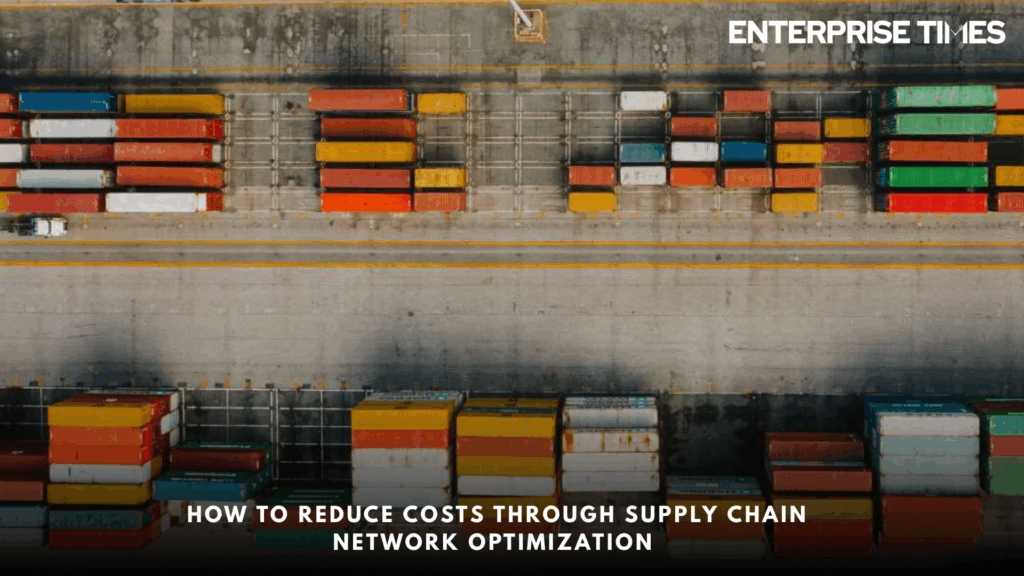
In today’s competitive business environment, cost efficiency in the supply chain is critical for profitability and sustainability. Supply chain network optimization is a strategic approach that helps organizations streamline operations, reduce operational costs, and improve service levels. By analyzing and reconfiguring the supply chain network—including suppliers, warehouses, transportation, and distribution channels—businesses can eliminate inefficiencies and respond more effectively to market demands. This article explores actionable strategies to reduce costs through supply chain network optimization.
1. Analyze the Current Supply Chain Network
The first step in reducing costs is gaining a comprehensive understanding of your existing supply chain. Map out every component, including suppliers, production facilities, warehouses, distribution centers, and transportation routes. Identify redundancies, bottlenecks, and areas with high operating costs.
Tools such as supply chain mapping software, network simulation models, and data analytics platforms can provide insights into performance metrics like inventory levels, delivery times, and transportation expenses. A thorough analysis allows organizations to pinpoint inefficiencies and areas where optimization can deliver the most cost savings.
2. Consolidate Warehouses and Distribution Centers
Many companies maintain multiple warehouses that may not be strategically located, leading to higher operational and transportation costs. Supply chain network optimization involves evaluating warehouse locations based on demand patterns, proximity to customers, and logistics costs.
Consolidating warehouses or redesigning their locations can reduce overhead, minimize shipping distances, and improve inventory turnover. Centralized or strategically located distribution centers ensure faster deliveries while lowering storage and handling expenses.
3. Optimize Transportation Routes and Modes
Transportation is one of the most significant cost drivers in supply chains. Optimizing routes and selecting the most efficient transportation modes can lead to substantial savings.
- Route optimization: Use advanced routing software to identify the shortest and fastest paths for deliveries, reducing fuel consumption and transit times.
- Mode selection: Balance cost, speed, and reliability when choosing between air, sea, rail, or road transport. For non-urgent shipments, slower but cheaper modes may significantly cut expenses.
- Consolidated shipments: Group shipments to minimize the number of trips and take advantage of bulk transportation rates.
Efficient transportation planning reduces fuel costs, vehicle wear and tear, and overall logistics expenditure.
4. Reduce Inventory Holding Costs
Excess inventory ties up capital and increases storage costs, while insufficient stock can lead to lost sales. Supply chain network optimization focuses on aligning inventory levels with demand patterns.
- Implement demand forecasting using historical sales data, seasonal trends, and predictive analytics.
- Adopt just-in-time (JIT) inventory strategies to maintain lean stock levels.
- Evaluate inventory placement across multiple locations to ensure products are where they are needed most, reducing expedited shipping costs.
Properly managed inventory reduces storage expenses, minimizes obsolescence, and improves cash flow.
5. Strengthen Supplier Relationships and Sourcing Strategies
Supplier management is another critical factor in supply chain cost reduction. Optimizing the supplier network can lower procurement costs and improve reliability.
- Consolidate suppliers to achieve economies of scale.
- Negotiate long-term contracts or volume discounts.
- Source strategically from regions with favorable cost structures while considering geopolitical stability and lead times.
- Implement supplier performance metrics to ensure quality and delivery reliability.
A streamlined and reliable supplier network minimizes disruptions, reduces emergency procurement costs, and improves overall operational efficiency.
6. Leverage Technology and Automation
Digital transformation plays a pivotal role in supply chain optimization. Implementing advanced technologies enables organizations to operate more efficiently and reduce costs.
- Supply chain management (SCM) software: Offers end-to-end visibility and control of inventory, shipments, and demand forecasts.
- Warehouse automation: Automated picking, packing, and sorting systems reduce labor costs and improve accuracy.
- Artificial intelligence and analytics: AI can identify patterns and provide actionable insights for route optimization, demand forecasting, and inventory management.
- IoT-enabled tracking: Real-time monitoring of shipments and equipment helps prevent losses and reduces downtime.
Integrating technology into supply chain operations reduces manual effort, minimizes errors, and drives cost efficiency across the network.
7. Implement a Flexible and Resilient Network Design
Global supply chains face increasing uncertainty from market volatility, geopolitical risks, and natural disasters. Network optimization should not only focus on cost reduction but also on resilience and flexibility.
- Multi-sourcing: Avoid dependence on a single supplier or region to mitigate disruptions.
- Buffer stocks at strategic locations: Maintain safety stock to absorb demand fluctuations without overstocking.
- Scenario planning: Model different supply chain scenarios to identify vulnerabilities and prepare cost-effective contingency plans.
A resilient network minimizes the financial impact of unexpected events, preventing costly interruptions in operations.
8. Monitor and Continuously Improve Performance
Optimization is an ongoing process, not a one-time project. Continuous monitoring ensures the supply chain remains cost-efficient and adaptable to changing market conditions.
- Establish key performance indicators (KPIs) such as delivery time, transportation costs, inventory turnover, and order accuracy.
- Conduct regular audits to identify new inefficiencies.
- Encourage cross-functional collaboration to streamline processes and address challenges proactively.
By fostering a culture of continuous improvement, companies can maintain lower costs while enhancing supply chain effectiveness.
Conclusion: The Strategic Impact of Supply Chain Network Optimization
Reducing costs through supply chain network optimization is both an operational necessity and a strategic advantage. Companies that optimize warehouse locations, transportation routes, inventory levels, supplier relationships, and technology integration can achieve significant cost reductions while improving service levels and operational resilience.
In an increasingly competitive global market, businesses that continuously refine their supply chain networks not only save money but also strengthen their ability to respond to customer demands, manage risks, and maintain a competitive edge. Effective network optimization transforms the supply chain from a cost center into a value-generating component of the business, supporting long-term growth and profitability.