
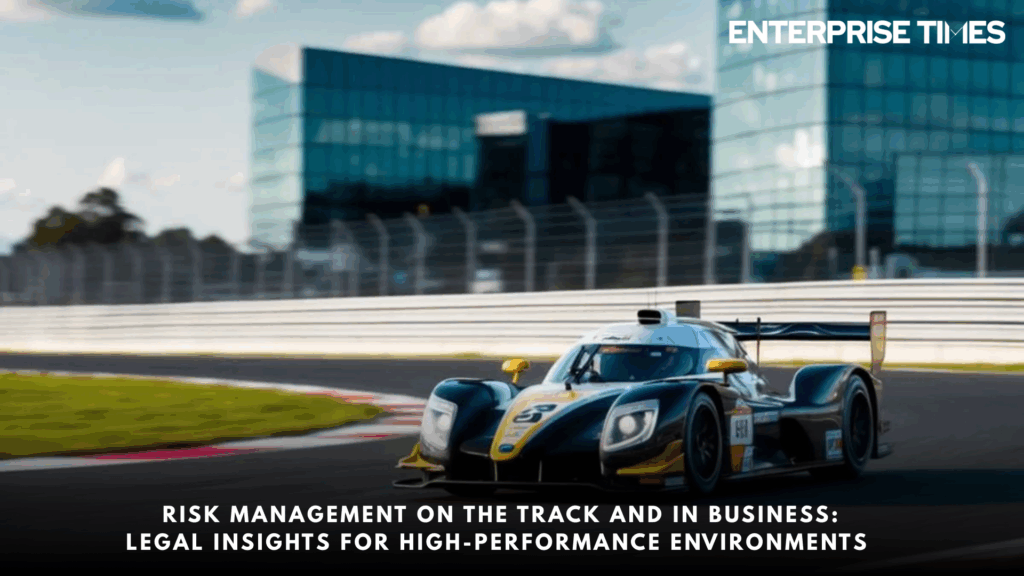
High-performance environments—whether in motorsports, athletics, or corporate enterprises—share a common denominator: the need for precise risk management. Decisions made under pressure, the pursuit of peak performance, and exposure to high stakes create potential for significant legal, financial, and operational consequences. Understanding risk management strategies and their legal implications is essential for teams, executives, and professionals operating in these demanding environments.
This article explores key insights into managing risk both on the track and in business, providing a framework for legal compliance, operational safety, and strategic decision-making.
1. The Importance of Risk Assessment
Risk management begins with identifying and evaluating potential hazards. On the track, these may include mechanical failures, collisions, or regulatory breaches. In business, risks span financial, operational, reputational, and legal domains.
A structured risk assessment involves analyzing the probability and impact of each threat, prioritizing resources, and implementing preventive measures. Legally, documenting risk assessments demonstrates due diligence and compliance with safety standards, which is crucial for liability mitigation in both racing and corporate settings.
2. Legal Compliance and Regulatory Oversight
High-performance activities are heavily regulated. Motorsport teams must adhere to strict safety regulations, licensing requirements, and competition rules. Similarly, businesses face industry-specific regulations, labor laws, and corporate governance standards.
Compliance reduces exposure to fines, penalties, and litigation. Legal counsel plays a pivotal role in ensuring that operational policies, contracts, and procedures align with applicable laws. Proactively addressing regulatory requirements minimizes disruption and supports sustainable performance.
3. Contractual Protections and Liability Management
Contracts are essential tools for risk management in high-stakes environments. Racing teams, sponsors, and suppliers rely on agreements that clearly define responsibilities, liabilities, and insurance obligations.
In business, contracts with clients, vendors, and employees serve a similar function. They outline expectations, limit exposure to disputes, and provide mechanisms for resolving conflicts. Strong contractual frameworks help organizations manage risk while maintaining strategic relationships.
4. Insurance as a Risk Mitigation Tool
Insurance is a critical component of both track and business risk management strategies. Motorsport teams often maintain policies covering accidents, equipment damage, and liability for third-party injuries. Businesses secure coverage for property, professional liability, cyber risks, and business interruption.
Legal insights ensure that insurance policies are comprehensive, aligned with operational risks, and compliant with local regulations. Proper coverage protects organizations from financial devastation in the event of accidents or unforeseen events.
5. Risk Mitigation Through Training and Protocols
Whether on the track or in corporate settings, human error is a leading cause of risk exposure. Continuous training, standardized procedures, and operational protocols reduce errors and enhance performance reliability.
For example, drivers undergo rigorous simulations and safety drills, while employees in high-risk industries follow detailed operational manuals and emergency response protocols. Documenting training programs and adherence to protocols also provides legal protection by demonstrating a commitment to safety and compliance.
6. Incident Response and Crisis Management
Despite preventive measures, incidents may occur. High-performance environments require clear, rapid-response strategies to mitigate damage and ensure safety.
On the track, this includes emergency medical response, vehicle recovery, and incident reporting. In business, it involves crisis communication, legal containment, and operational continuity planning. A well-documented incident response plan ensures legal compliance, protects reputation, and minimizes operational disruption.
7. Data-Driven Risk Management
Data analytics is increasingly used to anticipate and manage risks. Motorsport teams analyze telemetry, track conditions, and performance metrics to predict potential failures. Businesses use financial data, operational KPIs, and market trends to anticipate risks.
Legal teams should integrate data governance policies to ensure privacy, compliance, and accuracy. Data-driven insights allow organizations to make informed decisions, prevent losses, and maintain competitive advantage while staying within legal boundaries.
8. Culture of Accountability and Compliance
A strong culture of accountability enhances risk management effectiveness. Teams and employees must understand that adherence to safety rules, operational procedures, and legal obligations is non-negotiable.
Organizations that foster a culture of responsibility reduce negligence, reinforce compliance, and improve overall performance. Legal advisors can help design policies and training that embed accountability at all levels, from executives to operational staff.
9. Strategic Planning and Continuous Improvement
Risk management is not static—it requires continuous evaluation and improvement. Motorsport teams review post-race performance and incidents to refine strategies. Businesses conduct audits, compliance reviews, and scenario planning to adapt to evolving risks.
Legal insights play a role in ensuring that improvements meet regulatory standards, contract obligations, and best practice requirements. A proactive approach to risk ensures resilience and sustainable high performance in dynamic environments.
10. Lessons for High-Performance Environments
The parallels between risk management on the track and in business are clear: both require foresight, planning, and legal awareness. Key lessons include:
- Assessment first: Identify risks early and prioritize mitigation strategies.
- Compliance matters: Adhere to all legal and regulatory requirements.
- Document everything: Contracts, policies, training, and incident reports provide protection and accountability.
- Plan for the unexpected: Have robust response plans to minimize impact.
- Continuous improvement: Learn from past incidents to refine procedures and strategies.
By applying these principles, organizations operating in high-performance contexts can balance speed, efficiency, and safety with legal compliance.
Conclusion: Balancing Performance and Legal Responsibility
High-performance environments, whether on racetracks or in corporate arenas, demand meticulous risk management. Legal insights are integral to protecting assets, maintaining compliance, and ensuring the safety of teams and stakeholders.
By combining structured risk assessments, regulatory compliance, contractual protections, insurance coverage, training, data-driven insights, and a culture of accountability, organizations can operate confidently under pressure. Strategic risk management is not just a defensive measure—it is a competitive advantage, enabling high performance while minimizing exposure to legal and operational pitfalls.
For teams and businesses aiming to excel in high-stakes environments, integrating legal perspectives into risk management strategies is essential for sustained success, safety, and operational excellence.