
The warehousing industry is undergoing a rapid transformation. Modern technologies are redefining how goods are stored, tracked, and delivered, creating more efficient, accurate, and scalable operations. From automation to artificial intelligence (AI), the future of warehousing promises to optimize fulfillment processes, reduce costs, and enhance customer satisfaction. For businesses looking to stay competitive, understanding and adopting these technologies is essential.
1. Automation and Robotics in Warehousing
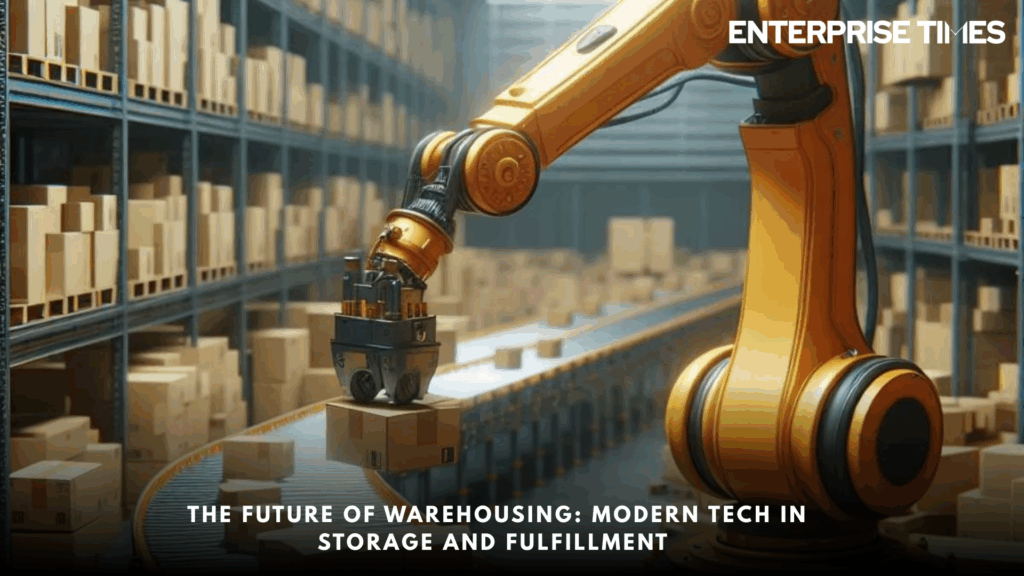
Automation has become a cornerstone of modern warehouses. Automated guided vehicles (AGVs), robotic arms, and conveyor systems are increasingly used to move, sort, and store goods with minimal human intervention.
Robotics improves accuracy, reduces errors in order fulfillment, and accelerates processing times. For example, picking and packing robots can handle thousands of SKUs efficiently, allowing businesses to meet high-volume demands, especially during peak seasons. Additionally, automation minimizes labor costs and reduces workplace injuries by performing repetitive or physically demanding tasks.
2. Artificial Intelligence and Machine Learning
AI and machine learning are revolutionizing warehouse management by providing predictive insights and operational optimization.
- Demand Forecasting: AI algorithms analyze historical sales data, seasonal trends, and market fluctuations to predict demand accurately, helping businesses maintain optimal inventory levels.
- Inventory Optimization: AI identifies slow-moving or excess stock and recommends strategic replenishment or redistribution.
- Operational Efficiency: Machine learning models can optimize pick paths, allocate resources, and reduce bottlenecks in real time.
By leveraging AI, warehouses become smarter, responsive, and capable of proactively addressing challenges before they impact operations.
3. Internet of Things (IoT) for Real-Time Tracking
The Internet of Things (IoT) connects devices, sensors, and equipment to provide real-time visibility across warehouse operations.
IoT-enabled systems track inventory movements, monitor environmental conditions, and detect equipment malfunctions. For temperature-sensitive products, IoT sensors ensure optimal storage conditions, preventing spoilage. Real-time tracking also improves accountability, reduces lost or misplaced goods, and allows managers to make informed decisions based on accurate, up-to-the-minute data.
4. Warehouse Management Systems (WMS)
A modern Warehouse Management System (WMS) serves as the operational backbone of a tech-driven warehouse.
WMS platforms integrate data from various sources, including inventory, orders, shipments, and labor resources, to streamline workflow. Key functionalities include:
- Order processing and fulfillment tracking
- Inventory visibility and control
- Automated restocking alerts
- Integration with transportation management systems
By centralizing information, a WMS ensures efficiency, reduces errors, and enables scalability for growing businesses.
5. Autonomous Vehicles and Drones
Autonomous vehicles and drones are reshaping internal and external logistics. Within warehouses, self-driving forklifts and AGVs transport goods between storage areas efficiently and safely.
For last-mile delivery, drones offer rapid, low-cost solutions, particularly in urban or remote locations. These technologies reduce dependence on manual labor, accelerate delivery times, and enhance the overall speed and reliability of the supply chain.
6. Cloud Computing and Data Analytics
Cloud-based warehousing solutions offer flexibility, scalability, and remote management capabilities. By storing data in the cloud, businesses can access operational metrics, inventory levels, and analytics from anywhere in real time.
Data analytics tools process this information to identify trends, predict demand, and optimize warehouse layouts. Cloud computing also enables seamless integration with e-commerce platforms, suppliers, and logistics providers, creating an interconnected and responsive supply chain ecosystem.
7. Sustainable and Smart Warehousing
Sustainability is becoming a key priority in modern warehousing. Technology enables energy-efficient lighting, climate control, and automated energy management systems that reduce carbon footprints.
Smart warehouses use analytics and IoT to optimize space utilization, reduce waste, and implement green logistics practices. Businesses that invest in sustainable warehousing not only cut operational costs but also meet regulatory requirements and appeal to environmentally conscious consumers.
8. Enhanced Safety and Compliance
Modern technology also enhances safety and compliance within warehouses. Wearable devices, AI-powered cameras, and automated monitoring systems detect unsafe practices, monitor hazardous areas, and ensure adherence to regulatory standards.
Compliance with safety and labor regulations is streamlined, reducing risks of accidents, fines, or operational disruptions. Technologically advanced warehouses create a safer working environment while maintaining operational efficiency.
9. Integration with E-Commerce and Omnichannel Fulfillment
The rise of e-commerce has transformed customer expectations, demanding faster, more accurate fulfillment. Modern warehouses integrate with online platforms to enable omnichannel operations, where inventory is managed across retail stores, e-commerce sites, and distribution centers simultaneously.
Real-time data, automated order routing, and predictive fulfillment allow businesses to meet customer demands efficiently. This integration reduces errors, shortens delivery times, and enhances customer satisfaction, providing a competitive edge in the fast-paced digital marketplace.
10. Preparing for the Future of Warehousing
The future of warehousing is digital, automated, and data-driven. Businesses that adopt modern technologies such as AI, robotics, IoT, autonomous vehicles, and cloud-based systems position themselves for operational excellence.
Investment in these technologies improves accuracy, reduces costs, enhances scalability, and ensures readiness to meet evolving market demands. The warehouses of tomorrow are not just storage facilities—they are smart, agile, and integral components of the global supply chain ecosystem.
Conclusion: Embracing Technology for Warehousing Excellence
As the logistics and retail landscape evolves, technology-driven warehouses will define the future of storage and fulfillment. Businesses that embrace modern solutions gain efficiency, accuracy, and agility, while ensuring sustainability, safety, and customer satisfaction.
The integration of robotics, AI, IoT, cloud computing, and autonomous delivery solutions transforms warehouses into smart hubs capable of handling high-volume, high-speed operations with precision. For companies looking to remain competitive in 2026 and beyond, investing in modern warehousing technology is not just an option—it is a strategic imperative.