
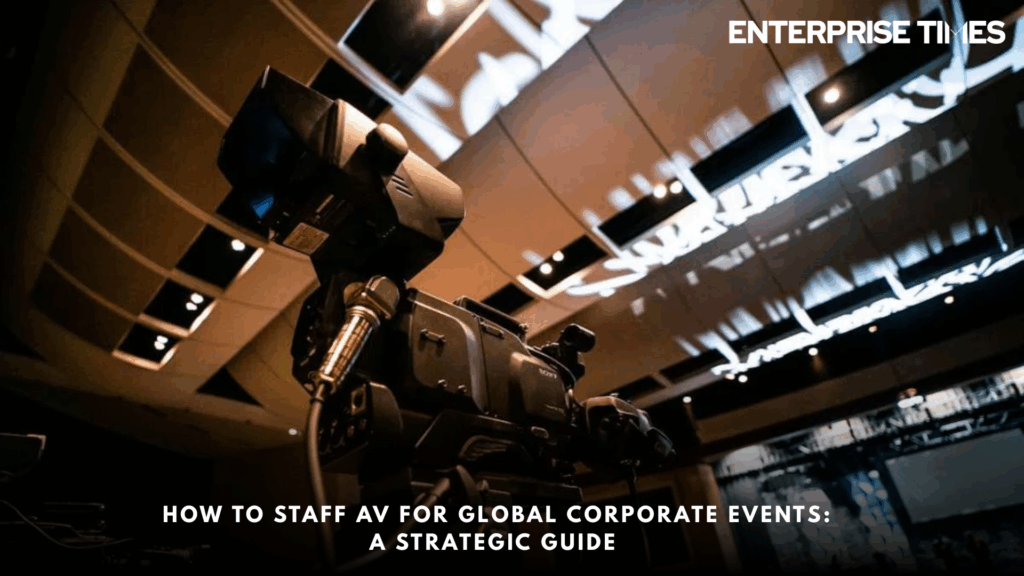
Audio-visual (AV) technology has become the backbone of successful corporate events. From global conferences to product launches and hybrid meetings, the quality of AV support directly affects attendee experience, brand perception, and overall event success. Staffing the right AV professionals for global corporate events is a complex process that requires planning, expertise, and flexibility. This guide provides practical strategies for effectively staffing AV teams that can handle the demands of international events.
1. Understand the Event Scope and Requirements
The first step in staffing AV for global corporate events is to clearly define the event’s scope. This includes identifying the number of participants, event type (in-person, hybrid, or virtual), duration, and key technical requirements.
For instance, a multi-day international conference will require more AV staff than a one-hour webinar. Consider the number of screens, cameras, microphones, lighting setups, and streaming capabilities. Understanding these details allows event organizers to determine the size and expertise of the AV team required.
Additionally, consider location-specific needs, including local technical regulations, power requirements, and venue-specific constraints. This ensures that your staffing decisions are accurate and cost-efficient.
2. Identify Key AV Roles
A global corporate event typically requires a range of specialized AV roles. Staffing decisions should cover all technical aspects to ensure smooth operation. Key AV positions include:
- AV Manager/Coordinator: Oversees the AV team, coordinates with event planners, and ensures technical standards are met.
- Audio Engineer: Manages microphones, sound systems, and ensures clear, distortion-free audio.
- Video Engineer/Operator: Handles cameras, live feeds, and projection screens.
- Lighting Technician: Designs and operates lighting setups that enhance presentations and ambiance.
- AV Support Technicians: Provides hands-on support during setup, live operations, and troubleshooting.
- Streaming and Broadcast Specialists: Manages online components, including live streams and hybrid event integration.
Understanding these roles ensures you have the right talent in place for every component of the event.
3. Assess Skills and Experience Requirements
Not all AV professionals are equally skilled for global events. Experience in large-scale, international settings is critical. When hiring or contracting AV staff, evaluate:
- Familiarity with global AV standards and technology
- Experience managing live streamed or hybrid events
- Multilingual communication skills (for international coordination)
- Ability to troubleshoot under pressure
- Knowledge of international time zones and remote collaboration tools
Staff with these competencies will be able to handle unexpected challenges efficiently, ensuring a seamless event experience.
4. Determine Staffing Levels
The number of AV staff required depends on the event’s size, complexity, and format. As a general rule:
- Small meetings may only need an AV technician and a coordinator.
- Medium-sized conferences may require 5-10 staff, including engineers and support technicians.
- Large global events can require 20 or more AV professionals, including specialized streaming and broadcast staff.
Avoid understaffing, which can lead to technical failures, and overstaffing, which increases costs unnecessarily. A careful balance is essential for operational efficiency.
5. Plan for International Logistics
Global corporate events introduce logistical challenges for AV staffing. International teams may need to coordinate travel, visas, and shipping of equipment. Consider the following:
- Import/export regulations for AV equipment
- Availability of local AV vendors to supplement your team
- Travel and accommodation arrangements for remote staff
- Time zone coordination for pre-event rehearsals and live support
Effective planning ensures that AV professionals arrive prepared and ready to operate in unfamiliar venues.
6. Integrate AV Staff with Event Teams
AV staff must work closely with event managers, production teams, and presenters. Clear communication channels are essential:
- Conduct pre-event briefings to align on goals, scripts, and schedules
- Assign clear responsibilities to each AV staff member
- Provide a point of contact for last-minute technical decisions
- Use collaborative project management tools to track tasks and updates
Integration reduces confusion and allows for smooth execution, especially during complex global events.
7. Conduct Technical Rehearsals
Rehearsals are critical for ensuring all AV equipment functions correctly, and that staff are familiar with the event flow. Technical run-throughs should include:
- Audio checks for microphones and speakers
- Video projection and camera alignment
- Lighting setup and adjustments
- Streaming and hybrid platform testing
- Troubleshooting simulations
Rehearsals identify potential issues early, allowing your team to resolve them before the event goes live.
8. Leverage Local AV Vendors
When hosting events in multiple countries, it is often efficient to collaborate with local AV vendors. They can provide:
- Knowledge of local regulations and venue restrictions
- Access to equipment and backup systems
- Experienced technician’s familiar with regional standards
Working with local vendors also reduces shipping costs and the logistical burden of transporting equipment across borders.
9. Prepare for Contingencies
Even with meticulous planning, global events can encounter unexpected issues. AV teams should have contingency plans, including:
- Backup equipment (microphones, projectors, laptops)
- Redundant internet or streaming connections
- On-call technicians for emergency troubleshooting
- Clear escalation protocols for urgent technical issues
A well-prepared AV staff can prevent disruptions and maintain event professionalism under pressure.
10. Ensure Post-Event Support
AV staffing responsibilities extend beyond the event itself. Post-event tasks include:
- Equipment teardown and transport
- Data collection from recordings and streams
- Debrief meetings to analyze technical successes and failures
- Documentation for future events
A strong post-event process ensures lessons are captured, and future staffing decisions are improved.
Conclusion: Staffing AV is Key to Global Event Success
Staffing the right AV team is critical for global corporate events. Proper planning, role assignment, skill assessment, logistics management, and contingency planning ensure that every technical detail is handled professionally. By integrating AV staff with the broader event team, conducting thorough rehearsals, and leveraging local expertise, businesses can deliver events that are seamless, engaging, and impactful.
In 2026, the ability to execute flawless AV for international events will distinguish leading organizations from their competitors. Investing in the rights of AV professionals is no longer optional—it is a strategic imperative for any global corporate event.